The crash caused a death or life-altering injury.
Broker-liability work belongs in serious truck cases where the full chain of responsibility may change the result.
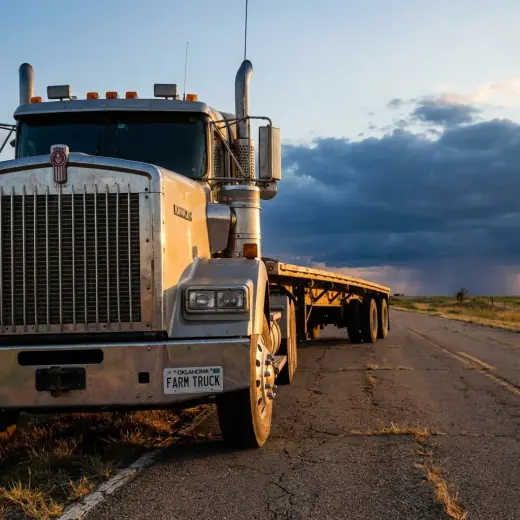
Catastrophic Truck Crash Litigation
When a broker arranged the load, the investigation cannot stop with the driver and carrier. Serious truck cases need the full load file, carrier-vetting history, and broker communications preserved before the defense narrative hardens.
Does this investigation match your case?
The right question is not simply whether a broker exists. The question is whether broker-carrier selection, carrier history, and load decisions help explain a preventable catastrophic crash.
Broker-liability work belongs in serious truck cases where the full chain of responsibility may change the result.
Bills of lading, rate confirmations, dispatch records, and broker-carrier agreements can identify the decision-makers behind the load.
Carrier authority, insurance, crash history, inspection records, and out-of-service patterns can show what a broker could have reviewed before assigning the load.
Broker communications, load tenders, telematics, ECM data, dashcam video, and carrier-vetting files should be preserved before routine systems overwrite them.
The proof path
Broker cases require document control before argument. We identify every company in the shipment chain, preserve the load file, and test whether the broker's carrier-selection process matched the danger visible before the crash.
Load tender, rate confirmation, and broker-carrier agreement
FMCSA company safety records, authority status, and insurance filings
Broker vetting rules, exceptions, internal notes, and account history
Dispatch pressure, delivery deadlines, check calls, texts, emails, and app messages
Carrier qualification file, driver qualification file, ELD logs, ECM data, and dashcam video
Shipper, loader, maintenance, and insurer records when the fault chain is broader than one carrier
Why timing matters
A police report may identify the truck driver and carrier, but it usually does not show who arranged the shipment, what carrier-screening records existed, or whether load communications created pressure before the crash.
That is why preservation demands should reach the broker, carrier, insurer, shipper, and any relevant vendors before ordinary retention systems erase the best proof.
Current legal posture
Freight broker claims can involve federal preemption and independent-contractor defenses. A serious case should not rely on one legal label. It should preserve serious truck crash proof that supports every viable path: driver, carrier, broker, shipper, loader, maintenance, insurance, and corporate control.
Defense issues to prepare for
Freight brokers often raise federal preemption arguments. The page does not promise a legal outcome; the work starts by preserving every viable theory against every responsible actor.
Defendants may argue the carrier alone controlled the truck. We look for contracts, communications, route pressure, safety rules, and retained control facts.
A severe truck crash can exceed the carrier policy. Broker analysis can matter when the crash facts support responsibility beyond the motor carrier.
What to send
You do not need every document before contacting the firm. Start with what you have, especially anything that names the carrier, broker, shipper, insurer, or investigating agency.
Representative trucking work
These examples are from the firm's published results data. They do not predict any future case, but they show the kind of proof-centered work serious truck cases require.
$3,000,000
Rear-end trucking collision matter involving driver qualification and medical-disqualification issues.
Result obtained through settlement.
$3,000,000
Commercial truck collision matter involving layered liability between corporate defendants.
Result obtained through settlement.
$2,250,000
Trucking collision matter involving an illegal lane maneuver and a pre-existing-injury defense.
Result obtained through settlement.
Common questions
The broker may appear in bills of lading, rate confirmations, shipping emails, broker-carrier agreements, dispatch records, or carrier documents. If you do not have those records, attorney investigation can identify the broker and preserve the load file.
No. A broker-liability theory depends on the broker role, the carrier-selection facts, the available safety information, and current legal defenses. Serious truck cases should still investigate the broker early because the documents can disappear quickly.
Load records, rate confirmations, broker-carrier agreements, carrier-vetting files, FMCSA safety and authority records, dispatch communications, ELD records, ECM data, and dashcam footage are common starting points.
Do not sign releases or accept money before the evidence chain is reviewed. Save every letter, text, email, photo, and document, then request attorney review before records are lost or statements are locked in.
Start before records move
Send the facts you have or call the firm. The review is confidential, and the firm only gets paid if there is a recovery.